Can a few minutes of foot massage really help tired feet recover? And where do massage lotions, athletic tape, and other recovery tools fit into the picture?
For runners, athletes, and anyone who spends long hours on their feet, foot fatigue can feel almost inevitable. Repeated impact, training volume, standing, and everyday movement all place demands on the structures that support the body with every step.
That has created a growing market for foot-recovery techniques and products. Metatarsal massage promises a simple way to work on tired feet. Massage lotions are designed to make the process smoother and more comfortable. Athletic tapes are marketed as another way to incorporate body care into training routines.
But there is an important distinction to make: feeling better is not necessarily the same as recovering better.
So what can these approaches realistically do?
Why Do Feet Become Fatigued?
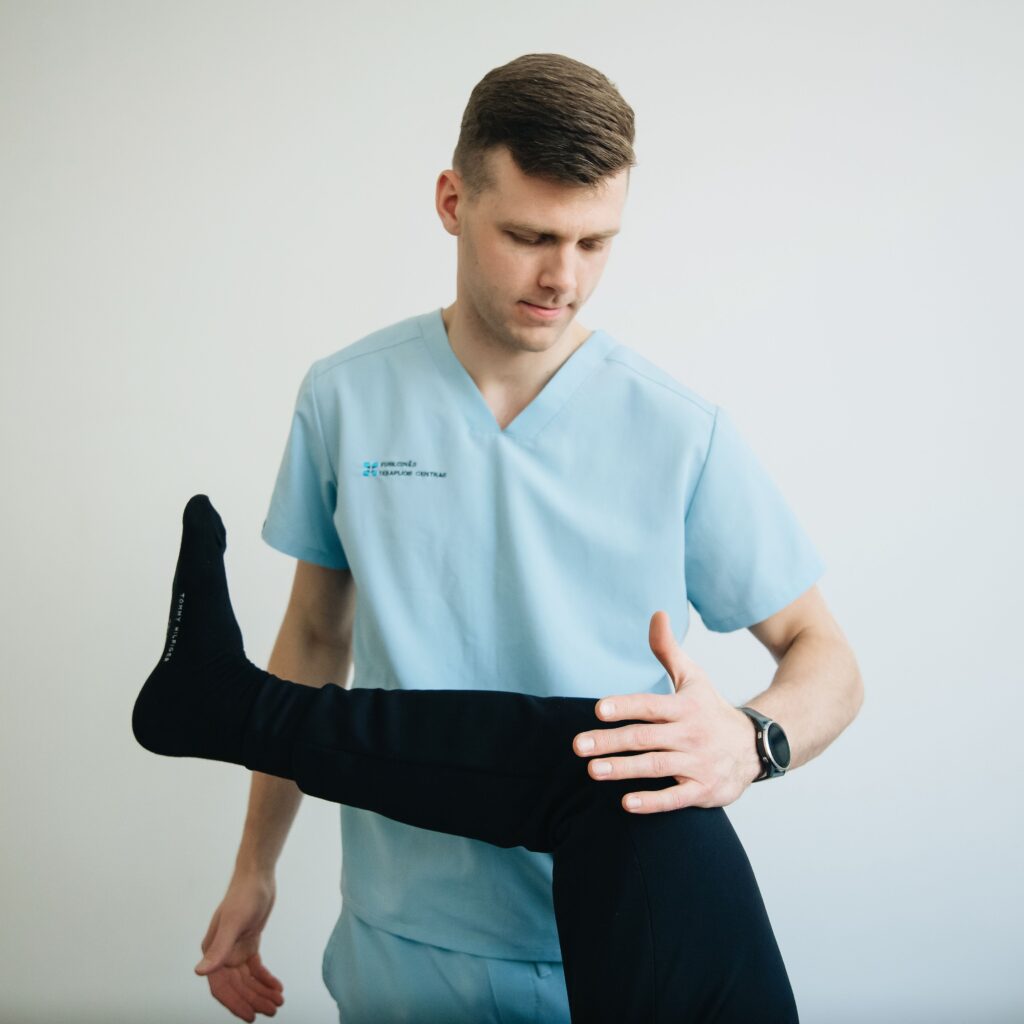
The foot is a remarkably complex structure. It contains numerous bones, joints, muscles, tendons, and connective tissues that work together to absorb and redistribute forces as we walk, run, jump, and change direction.
The metatarsals, located between the toes and the midfoot, play an important role in transferring load through the foot.
During repeated activity, these structures are exposed to thousands of loading cycles. Fatigue can therefore come from more than one source. Training volume, sudden increases in activity, footwear, running surfaces, strength, mobility, and insufficient recovery can all influence how the feet feel.
This is why treating foot fatigue as a problem that can always be solved by a single product or technique oversimplifies the issue.
What Is Metatarsal Massage?
Metatarsal massage focuses on the forefoot and surrounding tissues. The idea is straightforward: use controlled pressure and movement to stimulate and relax areas of the foot that may feel tight or fatigued.
For an athlete, this can be incorporated into a short recovery routine after training or during periods of prolonged standing.
A simple routine might involve gently rubbing the sole, working around the metatarsal area, massaging the arch, and moving the toes through a comfortable range of motion.
The important question, however, is what this actually accomplishes.
Massage can provide a sense of relaxation and may temporarily change how the body perceives discomfort or tightness. That can be useful. But a temporary improvement in how the foot feels should not automatically be interpreted as structural correction or proof that an injury has been treated.
That distinction becomes particularly important when discussing concerns such as persistent pain, significant swelling, or recurring symptoms.
Does Massage Mean Better Recovery?
This is where recovery claims become difficult to interpret.
The word “recovery” can mean several different things. It might refer to reduced soreness, improved mobility, feeling more relaxed, restoring strength, or being able to perform better during the next training session.
Those outcomes aren’t interchangeable.
If a short foot massage makes an athlete feel less tense after running, that is a meaningful experience. But it does not necessarily demonstrate that the underlying tissues have recovered faster or that future performance will improve.
For this reason, massage is better viewed as one component of a recovery routine, rather than a complete recovery strategy.
Where Does Massage Lotion Fit In?
A massage lotion can serve a relatively simple purpose: making massage easier.
A product such as a lightweight body lotion can reduce friction between the hands and skin, allowing smoother movements across the foot. For people who regularly perform self-massage, this can make the routine more comfortable and convenient.
Some sports-oriented lotions are also marketed specifically for use before, during, or after physical activity.
One example is a Metax-style recovery lotion formulated for face and body use and designed with massage in mind. Such products may emphasize characteristics such as quick absorption, a lightweight feel, moisturizing properties, and a pleasant scent.
But the presence of a recovery-oriented ingredient or formulation does not, by itself, establish that the lotion accelerates physiological recovery.
That distinction matters.
A product can make massage more convenient without necessarily making the underlying recovery process faster.
What About Athletic Tape?
Athletic tape introduces another question: is tape actually a recovery tool, or is it primarily a training and body-care tool?
Titanium Tape X100 Roll, for example, was developed as a high-level body-care tape intended for athletes and active individuals. Its positioning centers on incorporating tape into a routine around physical activity rather than treating an injury after it occurs.
That distinction is worth preserving.
Tape should not automatically be considered a replacement for diagnosis, rehabilitation, strength training, or appropriate rest. Its role depends on why an athlete is using it and what they expect it to accomplish.
This is also where marketing language deserves scrutiny. Terms such as “relaxation,” “support,” and “recovery” can describe very different outcomes. Before deciding whether a tape provides meaningful benefit, it is necessary to ask what outcome is actually being measured.
A More Complete Foot-Recovery Routine
The most useful approach may be less complicated than the recovery industry sometimes makes it appear.
A basic foot-care routine can include several elements:
Mobility: Gentle ankle, toe, and foot movements can help maintain comfortable movement.
Massage: A few minutes of controlled massage may help the feet feel relaxed after activity.
Training-load management: Increasing running or training volume too quickly can place additional stress on the feet.
Footwear: Shoes should be appropriate for the activity and comfortable for the individual.
Rest: Recovery cannot be separated from adequate rest between demanding sessions.
Recovery tools: Massage lotions, athletic tape, and other products can be considered optional additions rather than the foundation of recovery.
This last point is important. Recovery technology can be useful, but it should answer a specific need rather than simply add another product to an already complicated routine.
When Foot Fatigue Is More Than Fatigue
There is also a point where self-care stops being the appropriate answer.
Normal tiredness after a demanding workout is different from persistent or worsening pain. Significant swelling, an inability to bear weight, numbness, sudden injury, or pain that repeatedly returns during activity deserves more attention than simply applying lotion or massage.
Massage can make a tired foot feel better, but feeling better should not be used to mask a problem that needs evaluation.
So, What Actually Helps?
The answer depends on what “help” means.
Metatarsal massage may be useful as a short relaxation and self-care technique. A massage lotion can make that process easier and more comfortable. Athletic tape can be incorporated into an athlete’s broader body-care routine.
But none of these should be viewed in isolation.
Foot recovery is ultimately influenced by the demands placed on the body and how effectively those demands are balanced with rest, training progression, movement, and general recovery habits.
The more useful question isn’t whether one recovery product can solve foot fatigue.
It’s what additional value does it provide when the fundamentals of recovery are already in place?
For some athletes, a few minutes of massage may simply feel good. For others, it may become a convenient part of a consistent routine. That distinction may sound small, but it is exactly where the difference between a recovery claim and a meaningful recovery strategy begins.